How Much Protein Do Women Over 45 Need? A Physician Explains | Dr. Chari
If you're a woman over 45, you've probably heard that you should be eating more protein.
But how much do you actually need?
Does it matter when you eat it?
And why does protein suddenly seem so important as you get older?
These are questions I frequently discuss with my patients.
Many women are surprised when they take a closer look at what they're eating. They may have very little protein at breakfast, a modest amount at lunch, and then most of their protein at dinner.
As we move through our 40s, 50s, 60s, and beyond, paying attention to protein—and especially to preserving muscle—becomes increasingly important.
Why Is Protein So Important for Women Over 45?
One of the changes that occurs as we age is a gradual loss of muscle mass unless we actively work to preserve it.
This matters for much more than appearance.
Muscle helps support strength, mobility, bone health, metabolism, and healthy blood sugar regulation.
Maintaining muscle can also help us remain strong and independent as we get older.
Protein provides amino acids that the body uses to maintain and repair muscle and other tissues. Protein can also help with fullness after meals, which may make it easier to manage hunger and cravings.
This is one reason I don't want women over 45 thinking only about:
“How can I eat less?”
I also want them asking:
“Am I giving my body enough of what it needs to stay strong?”
How Much Protein Does a Woman Over 45 Need?
There isn't one perfect amount of protein that is appropriate for every woman.
Protein needs can vary based on factors such as:
Age
Body size
Activity level
Muscle mass
Overall diet
Health conditions
Kidney function
Individual health and fitness goals
This is important because nutrition advice shouldn't automatically be the same for every person.
Some women may benefit from increasing their protein intake, while others may need individualized guidance based on their medical history or health conditions.
You also don't have to start by counting every gram you eat.
A very simple first step is to look at each meal and ask:
“Where is my protein?”
What Does Protein Actually Look Like?
It can be difficult to know whether you're eating enough protein if you don't know how much common foods contain.
Here are some approximate examples:
2 large eggs: about 12 grams of protein
1 cup plain Greek yogurt: about 20 grams, depending on the brand
1 cup cottage cheese: about 25 grams, depending on the brand
3 ounces cooked chicken breast: about 25 grams
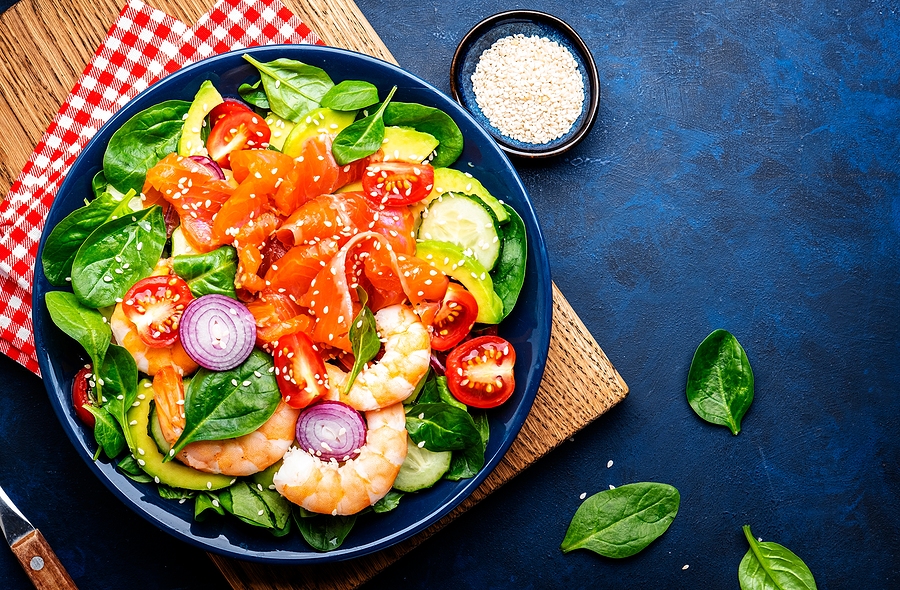
3 ounces cooked salmon: about 20–22 grams
1 cup cooked lentils: about 18 grams
These numbers are approximate and can vary depending on the food and serving size, but they give you a useful starting point.
The goal isn't to eat all of these foods.
It's to begin recognizing where your protein is coming from throughout the day.
Are You Getting Enough Protein at Breakfast?
Breakfast is one of the first places I would look.
Think about what you normally eat.
Is it cereal?
Toast?
Fruit?
Oatmeal?
Coffee by itself?
There's nothing inherently wrong with these foods, but depending on the meal, you may be getting relatively little protein.
Consider whether you could add a protein-rich food such as eggs, Greek yogurt, cottage cheese, or another option that works for you.
Rather than completely changing everything you eat, sometimes the first step is simply improving the balance of the meal you already enjoy.
Should You Eat All Your Protein at Dinner?
Many women naturally eat most of their protein at their evening meal.
They may have something small for breakfast, a light lunch, and then chicken, fish, meat, beans, or another substantial protein source at dinner.
Instead of concentrating most of your protein into one meal, consider including a meaningful protein source at breakfast, lunch, and dinner.
This provides your body with protein and amino acids at multiple points throughout the day to support the maintenance and repair of muscle and other tissues.
Protein Is Important—But Don't Forget the Rest of Your Plate
Increasing protein doesn't mean your entire diet should become protein.
Vegetables, fruits, fiber-rich carbohydrates, healthy fats, and other nutrient-rich foods can all have important roles in a balanced diet.
The goal isn't:
Protein instead of everything else.
The goal is:
Protein as part of a balanced meal.
This distinction matters.
Extreme diets can be difficult to maintain and aren't appropriate for everyone.
For most people, sustainable improvements made consistently are far more useful than following a highly restrictive diet for a short period of time.
Don't Forget About Strength Training
Protein is only one part of maintaining muscle.
Your muscles also need a reason to stay strong.
Walking and cardiovascular exercise have many health benefits, but resistance or strength exercise becomes particularly important as we age.
Depending on your health and physical abilities, this might include:
Resistance bands
Free weights
Weight machines
Body-weight exercises
Other forms of appropriately designed resistance exercise
If you're new to strength training or have medical, joint, balance, or mobility concerns, talk with your physician or an appropriately qualified professional before beginning a new exercise program.
Think of protein and resistance exercise as two important pieces of preserving muscle as you get older.
A Simple Protein Check You Can Do Tomorrow
You don't need an app.
You don't need to buy anything.
And you don't need to completely change your diet.
Tomorrow, write down what you normally eat for:
Breakfast
Lunch
Dinner
Then next to each meal, write down the main source of protein.
Ask yourself:
Where is my protein?
If you have difficulty identifying a meaningful protein source in one or more meals, you've just identified a simple place where you may be able to improve your nutrition.
Then take it one step further.
Pay attention to how you feel after your meals.
Do you stay satisfied for several hours?
Do you become hungry again quickly?
Do you find yourself craving sweets later?
Do you experience an afternoon energy slump?
These patterns don't diagnose a medical condition, but they can give you useful information about your eating habits and help you identify questions worth discussing with your physician.
The Bigger Picture for Women Over 45
If you're experiencing weight gain, stubborn belly fat, low energy, cravings, loss of strength, poor sleep, brain fog, or other changes in midlife, protein may be one piece of the picture.
But it isn't necessarily the entire explanation.
Hormonal changes, sleep, stress, medications, activity level, nutrition, insulin sensitivity, thyroid function, medical conditions, and other factors may also need to be considered depending on your individual situation.
That's why I don't believe in giving every woman the same diet simply because she's over 45.
I look at the individual woman.
What is happening with her body?
What symptoms is she experiencing?
What does her medical history tell us?
What is she eating?
How is she sleeping?
What does her activity look like?
What do her laboratory results show when testing is appropriate?
The goal isn't simply to tell a woman to eat less.
The goal is to understand the whole picture and help her make changes that support her health, strength, and quality of life for the years ahead.
If you found this article helpful, please feel free to share it with a friend or family member who may benefit from it.
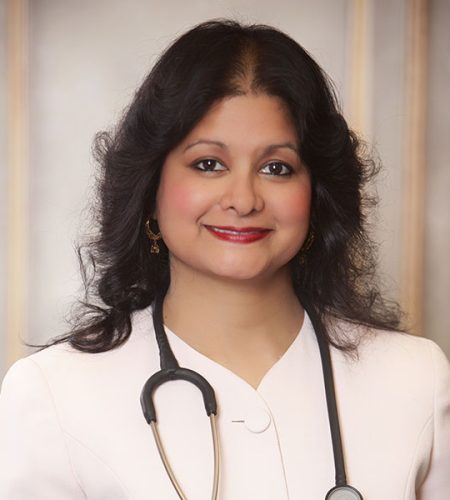
About Dr. Roopa Chari, MD
Dr. Roopa Chari, MD is an Internal Medicine physician with more than 25 years of experience practicing Functional and Integrative Medicine.
She helps women over 45 understand the underlying factors that may be contributing to weight gain, stubborn belly fat, fatigue, brain fog, poor sleep, hormonal and metabolic changes, digestive concerns, and other midlife health challenges.
Dr. Chari has been recognized with the Women’s Choice Award for Best Doctors for four consecutive years (2023–2026), reflecting her commitment to providing compassionate, personalized care.
At Chari Center of Health, Dr. Chari takes the time to listen, understand what you've been experiencing, and look at the different factors that may be affecting how you feel. Her goal is to help you understand what may be going on and create a personalized plan for your health.
Dr. Chari serves patients virtually in California and Florida.
Would you like to talk with Dr. Chari about what you've been experiencing?
Schedule a Complimentary 15-Minute Consultation to ask questions, share your concerns, and see whether Dr. Chari's approach may be right for you.
The information provided in this article is for educational purposes only and is not intended as medical advice or as a substitute for individualized medical care. Please consult with your physician or qualified healthcare professional regarding your individual health needs.